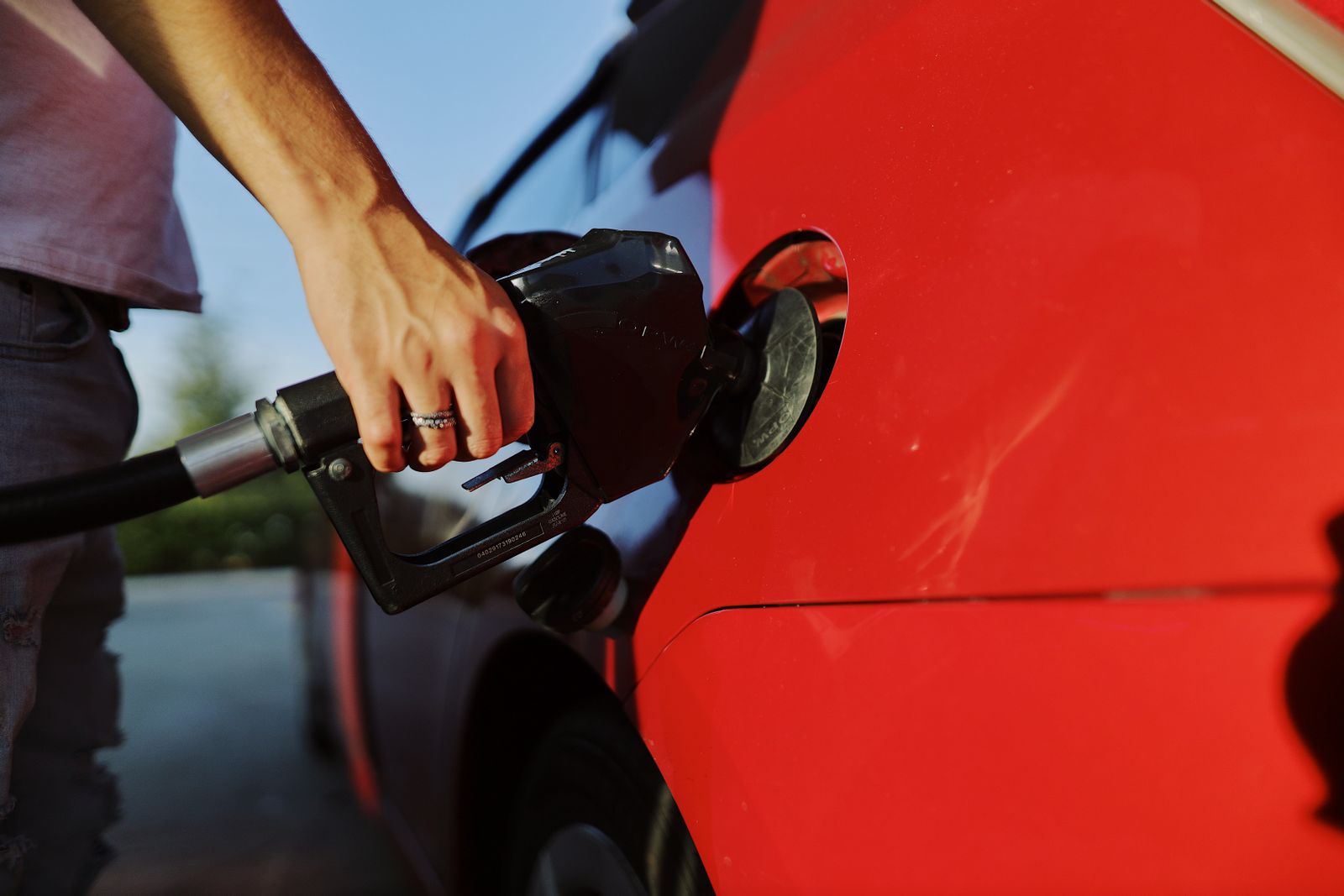
Quick answer: using the wrong grade of petrol is usually far less serious than putting diesel in a petrol car. Higher octane than required (say 98 in a car that takes 91) is generally fine. Lower octane than required, or E10 in a vehicle that isn’t compatible, can cause problems and is worth acting on, especially in older cars, small engines and boats.
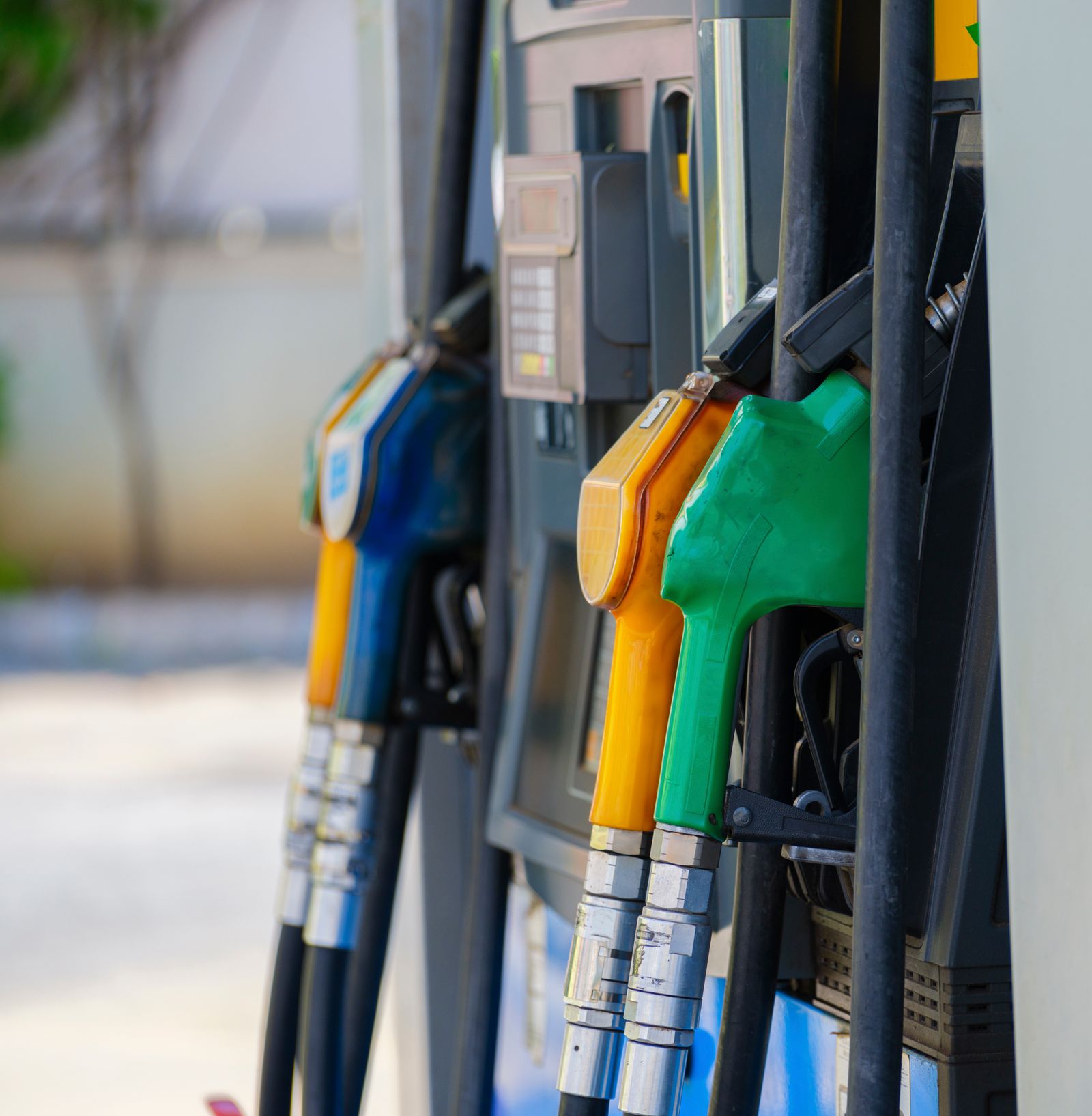
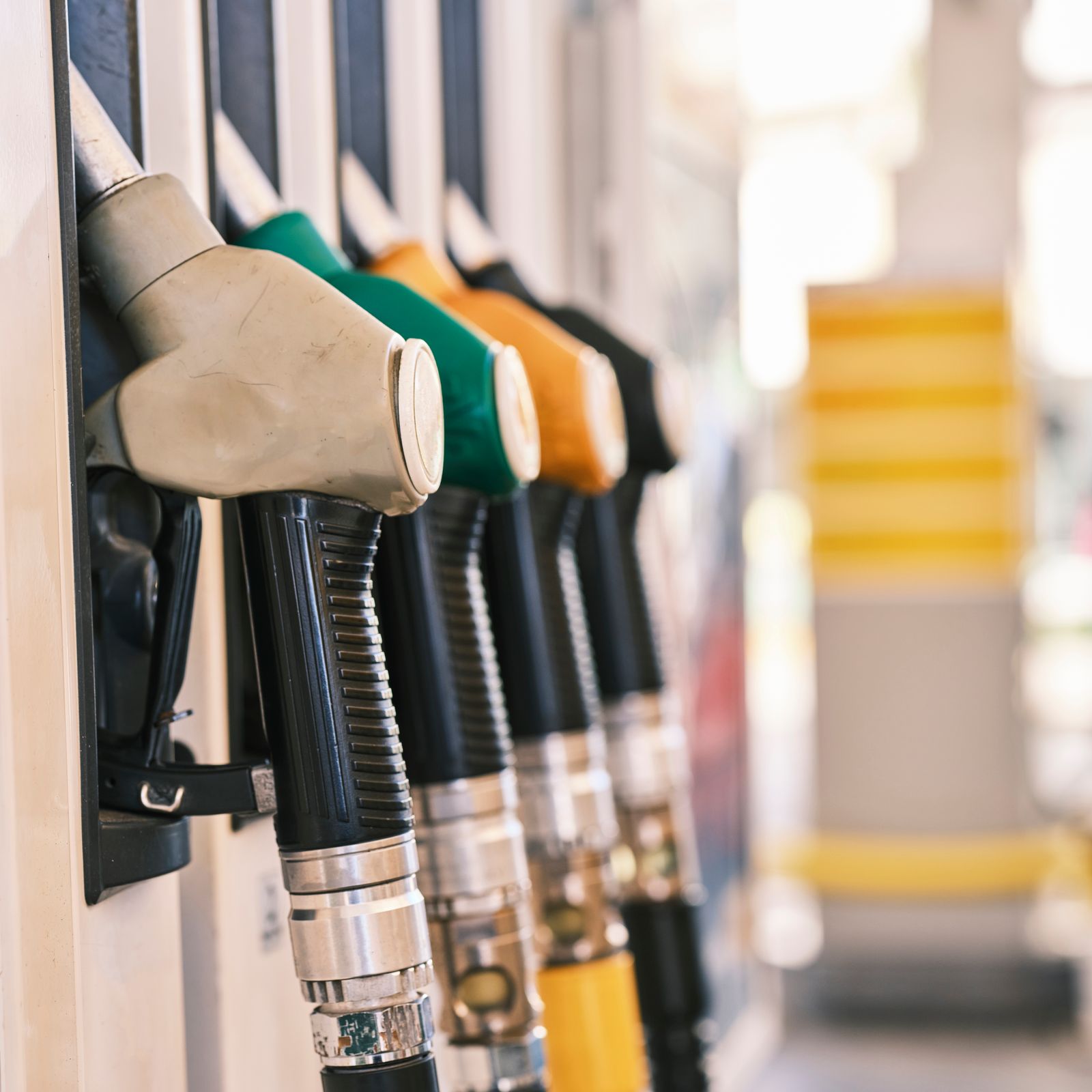
The grades at Australian servos
| Fuel | What it is |
|---|---|
| E10 | Unleaded petrol blended with up to 10% ethanol |
| 91 (ULP) | Regular unleaded |
| 95 (PULP) | Premium unleaded |
| 98 (PULP) | Higher-octane premium unleaded |
| E85 | High-ethanol fuel for compatible vehicles only |
The number is the octane rating, which measures resistance to “knock” (fuel igniting too early).
Higher octane than you need
Putting 95 or 98 in a car designed for 91 won’t harm it. You may not see any benefit, but there’s no damage.
Lower octane than you need
If your car requires 95 or 98 and you fill with 91, modern engines can usually adjust ignition timing to protect themselves, which may mean less power and worse economy. Some engines are more sensitive. Drive gently, avoid heavy loads and towing, and top up with the correct grade as soon as you can. If you hear knocking or pinging, ease off and get advice.
E10 in a non-compatible vehicle
Most modern petrol cars sold in Australia can use E10, but some older vehicles, certain imports and many small engines (mowers, outboards, older motorbikes) are not compatible. Ethanol can affect seals, hoses and some fuel system materials over time, and can absorb water. One accidental tank is unlikely to cause immediate failure in a car, but check your owner’s manual or fuel flap and seek advice if the vehicle isn’t listed as compatible.
E85 in a car that isn’t designed for it
E85 is very different from regular petrol. If it goes into a car that isn’t built for it, treat it like a wrong fuel incident: don’t start the engine and get advice on draining it.
Not sure if your car can take E10? The NSW Government’s E10 compatibility check works for any Australian car, and RACV’s guide to petrol types explains the differences between grades.
When to call for help
| Situation | Our suggestion |
|---|---|
| 98 in a 91 car | No action needed |
| 91 in a 95/98 car | Drive gently, top up with the right grade |
| E10 in a non-E10 car | Check the manual; consider draining if it’s an older or sensitive vehicle |
| E85 in a regular petrol car | Don’t start it, get it drained |
| Diesel in any petrol car | Don’t start it, get it drained. See diesel in a petrol car |
Not sure what your car takes? It’s usually printed inside the fuel flap and in the owner’s manual.
Frequently asked questions
Is it bad to put 91 in a car that needs 95?
Once usually isn’t a disaster. Drive gently, avoid heavy loads and fill with the correct grade as soon as you can.
Can I put 98 in a car that takes 91?
Yes. It won’t harm the engine, though you’re unlikely to see much benefit.
Do I need a drain for the wrong petrol grade?
Usually not, unless it’s E85 in a car that isn’t designed for it, or E10 in an incompatible vehicle, boat or small engine. For diesel in a petrol car, see diesel in a petrol car.