Quick answer: diesel in a petrol car is less common than the reverse, but it still needs fixing. Diesel is too heavy and oily to burn properly in a spark-ignition engine, so the car will smoke, misfire and eventually stall. Don’t start the engine. If you’ve already driven, stop when safe and arrange a drain and flush.
Why it happens less often
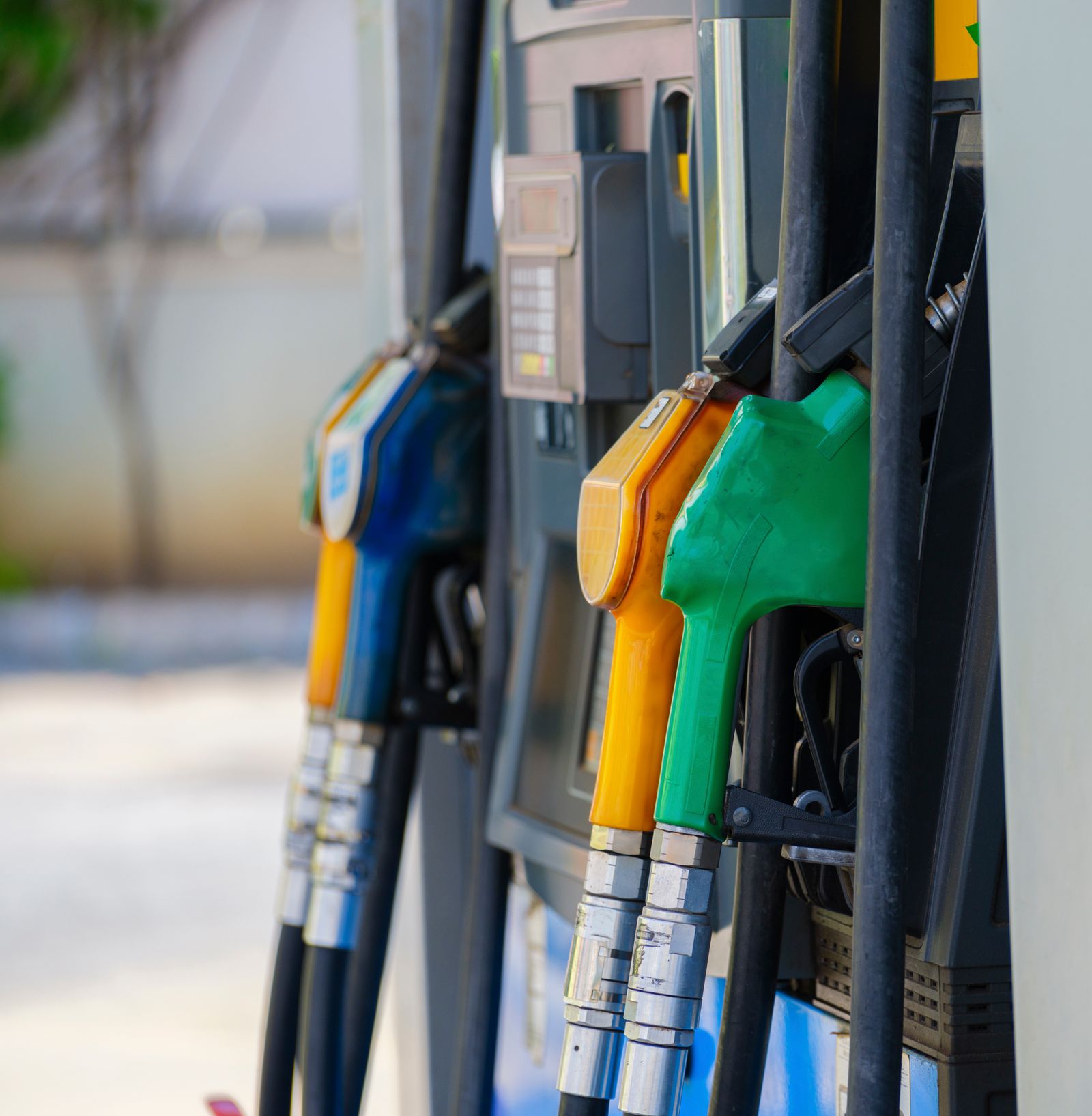
Diesel nozzles at most Australian service stations are larger than petrol nozzles, so they don’t fit easily into a petrol car’s filler neck. That’s why petrol in a diesel is the more common mistake. Diesel in petrol still happens, though, usually:
- at truck stops or high-flow pumps with different nozzle sizes
- when filling from a jerry can or drum
- when someone forces a nozzle in at an angle, or just tops up a little at a time

What diesel does inside a petrol engine
Petrol engines use a spark plug to ignite a fine mist of fuel and air. Diesel is heavier, oilier and much harder to vaporise, so it doesn’t ignite cleanly from a spark. The results:
- Fouled spark plugs: diesel coats the plugs, causing misfires.
- Clogged fuel filter: the thicker fuel and its residues build up in the filter.
- Heavy smoke: unburnt diesel leaves the exhaust as thick white or grey smoke.
- Catalytic converter damage: unburnt fuel can overheat or contaminate the converter.
- Oxygen sensor problems: contaminated exhaust confuses sensors and triggers warning lights.
Warning signs
If you didn’t notice at the pump, you’ll usually see one or more of these soon after driving off:
| Symptom | What it means |
|---|---|
| Rough running or misfiring | Plugs struggling to ignite the mix |
| Thick smoke from the exhaust | Unburnt diesel passing through |
| Loss of power | Poor combustion |
| Check engine light | Sensors detecting misfires or bad readings |
| Engine cutting out | Not enough usable fuel reaching the cylinders |
Is it as bad as petrol in a diesel?
Usually it’s less destructive, because diesel doesn’t strip lubrication the way petrol does in a diesel engine. But “less bad” isn’t “fine”. Driving on diesel can still mean new spark plugs, fuel filters, sensors or a catalytic converter, which costs far more than a drain. For the opposite scenario, see Petrol in a diesel engine.
Your car’s manual and fuel flap label tell you exactly which fuel it needs. carsales covers this well in what is the right fuel to use in my car?
What to do
- Don’t start the engine if you realise at the pump.
- If you’re driving, pull over safely and switch off when symptoms appear.
- Move the car away from the pumps in neutral, with help.
- Arrange an on-site drain and flush from a wrong fuel specialist.
- Ask whether the plugs and filter need checking if the engine ran for a while.
Our immediate actions checklist covers the first few minutes in more detail.
Frequently asked questions
Can I just top up with petrol to dilute it?
It’s not recommended. Even a diluted mix can foul plugs and damage the catalytic converter over time. A drain is the safe option.
How much does it cost to fix?
If the engine hasn’t run, a mobile drain usually costs about the same as for petrol in a diesel. See the wrong fuel rescue cost guide.
My car seems fine after a short drive. Do I still need a drain?
Yes. Symptoms can take time to appear, and a small amount of diesel can keep building up in the plugs and filter. Read the long-term effects of driving with the wrong fuel.