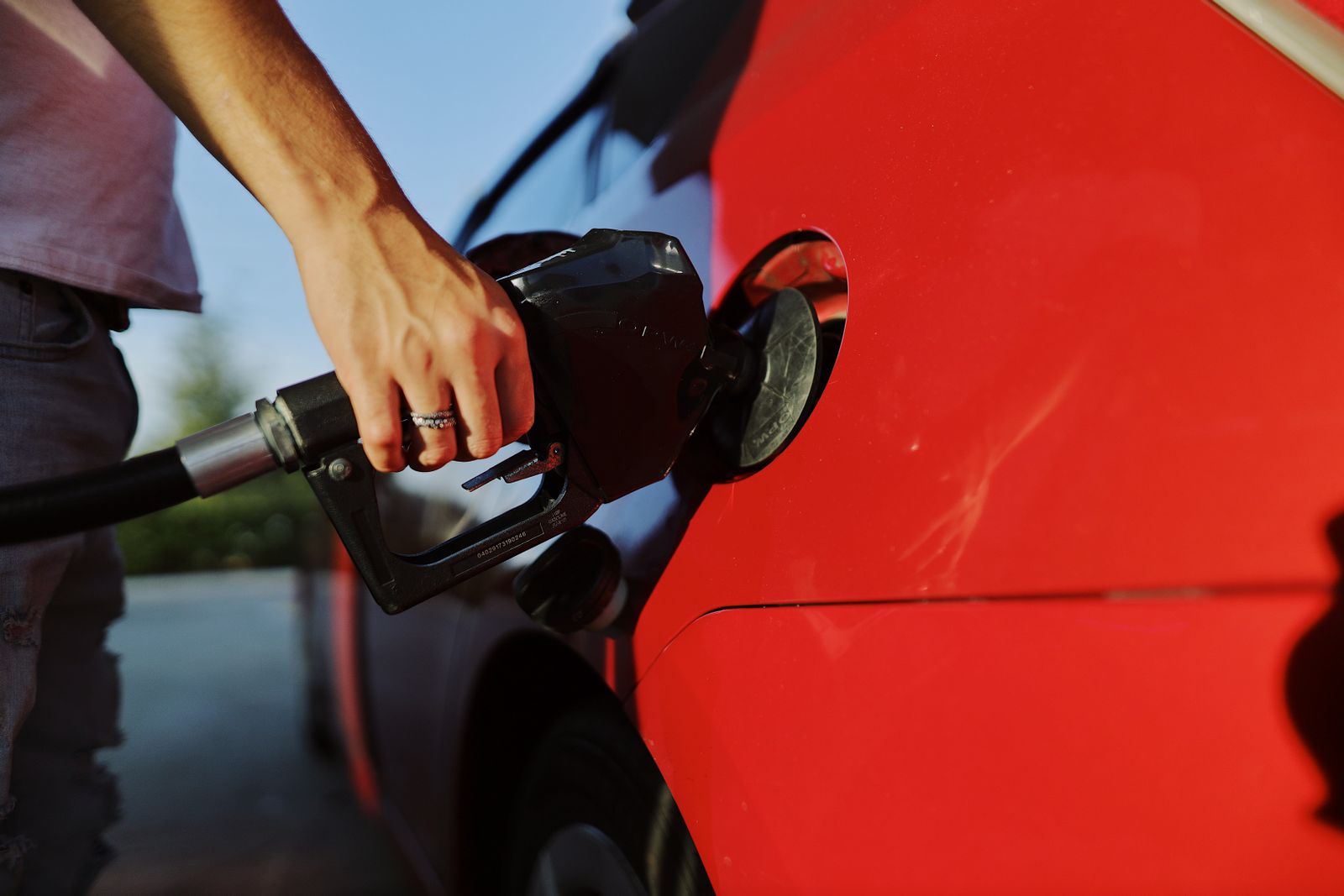
Quick answer: most hybrids sold in Australia have a petrol engine, so the risk is diesel (or the wrong petrol grade) in the tank. Treat it like any other misfuel: don’t switch the car on. Hybrids can start the petrol engine automatically at any time, even when you expect electric-only driving.
Why hybrids need extra care
In a conventional car, “don’t start the engine” is simple. In a hybrid or plug-in hybrid (PHEV), pressing the power button may not start the engine straight away, which makes it tempting to think you can drive away on battery. But the car’s computer decides when to run the engine, for example to:
- warm up the engine or cabin
- charge the battery
- add power when you accelerate
- run the climate control
That means the fuel pump can draw the wrong fuel into the system with no warning.

What to do
- Don’t switch the car on at all, not even to “ready” mode.
- Shift to neutral using the procedure in your owner’s manual (hybrids sometimes need the power on to change gear, so ask for help or wait for the technician).
- Get help to move it away from the pumps if needed.
- Tell the specialist it’s a hybrid, including the make and model, so they bring the right equipment and follow the manufacturer’s precautions.
Why “I’ll just drive it in EV mode” doesn’t work
Many hybrids decide for themselves when to start the petrol engine. It can start to charge the battery, warm the cabin, or when you accelerate harder than expected. There’s no reliable way to keep it off, so the safest assumption is that turning the car on means the engine could start.
Plug-in hybrids can drive further on electric power, but the same rule applies. Leave the car off, keep the key away, and have the tank drained before you use it. See our immediate actions checklist.
Hybrids still need the exact fuel the manufacturer specifies, usually 91 or 95. carsales explains how to find the right fuel for your car.
Diesel hybrids
A small number of hybrids use diesel engines. For those, the risk is petrol in the tank, with the same lubrication problems described in petrol in a diesel engine.
What about electric-only vehicles?
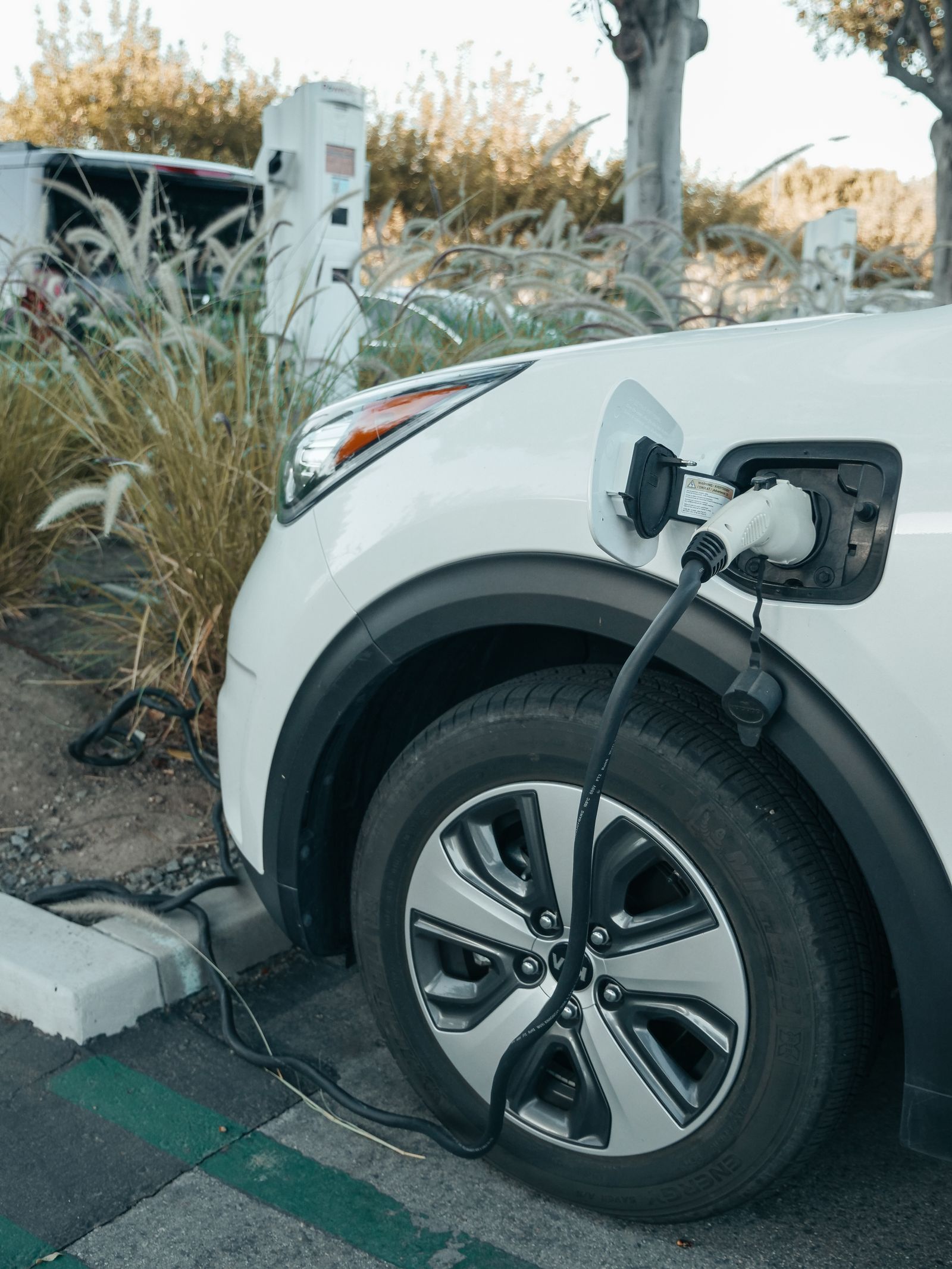
Fully electric vehicles don’t have a fuel tank, so misfuelling isn’t possible. Plug-in hybrids and range-extender EVs do, and need the same care as any other hybrid.
| Vehicle type | Fuel tank? | Main misfuel risk |
|---|---|---|
| Petrol hybrid | Yes | Diesel or wrong petrol grade |
| Plug-in hybrid (PHEV) | Yes | Diesel or wrong petrol grade |
| Diesel hybrid | Yes | Petrol |
| Battery electric (BEV) | No | None |
For grade mix-ups, see E10, 91, 95 or 98: is the wrong petrol grade a problem?
Frequently asked questions
Can I drive my hybrid on electric power after misfuelling?
No. The petrol engine can start without warning, so leave the car off until the fuel is drained.
Is misfuelling a hybrid more expensive to fix?
The drain itself is similar to a normal petrol car. The cost only rises if the engine ran on the wrong fuel.
Do electric cars have this problem?
Battery electric vehicles have no fuel tank, so misfuelling isn’t possible.