Quick answer: most wrong fuel incidents happen to experienced drivers on an ordinary day. The usual causes are driving an unfamiliar vehicle, distraction or fatigue, look-alike pumps, old habits, subtle badging and the belief that a little wrong fuel won’t matter.
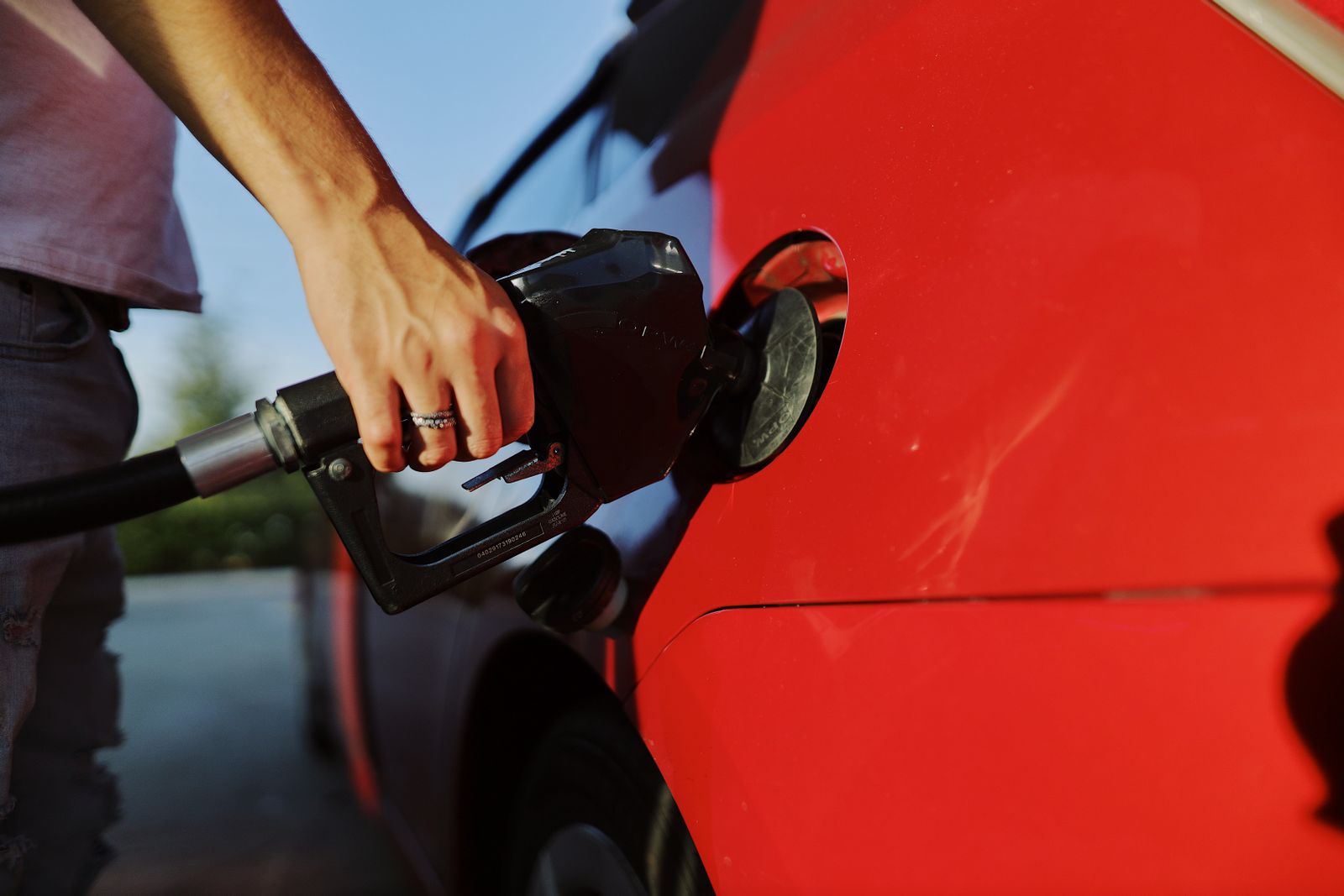
Wrong fuel incidents happen far more often than people realise. In many cases, it’s not a lack of knowledge but routine habits and everyday distractions that lead to the wrong nozzle going in.
1. Driving a different vehicle
Rental cars, loan cars, company vehicles and newly bought cars catch drivers out all the time. Muscle memory takes over, and the nozzle you’ve used for years goes in without a second thought. Hire cars are a particular risk on holidays, when you’re tired and in an unfamiliar area.
Tip: check the fuel flap or the key tag before you leave the rental desk, and take a photo of the label.
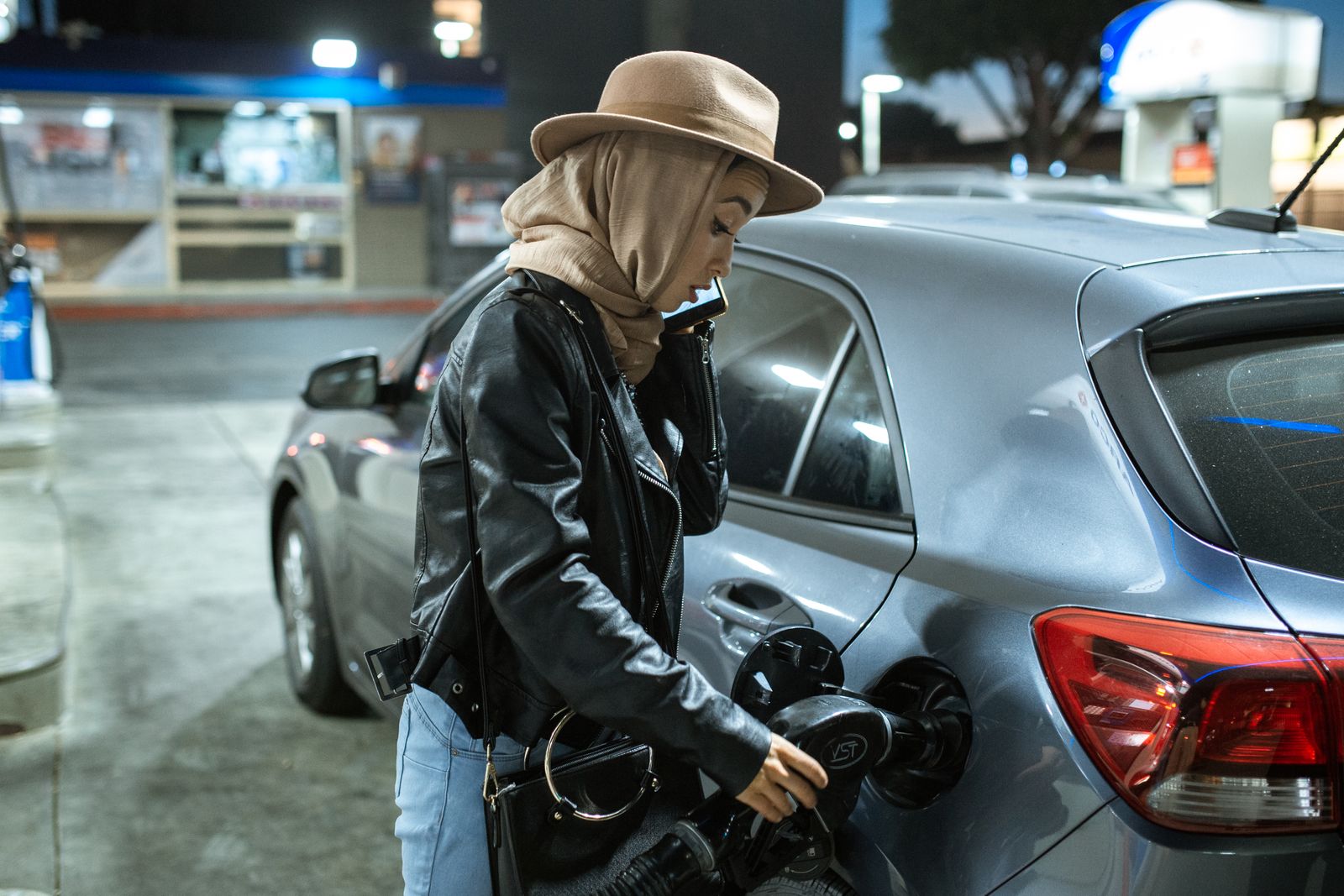
2. Distraction or fatigue
Long days, late nights, stress, phone calls or simply rushing all reduce focus at the pump. Many incidents happen when drivers are tired or juggling kids, calls and payment at the same time.
Tip: put the phone away until the nozzle is back in the bowser.
3. Petrol and diesel pumps are closer than ever
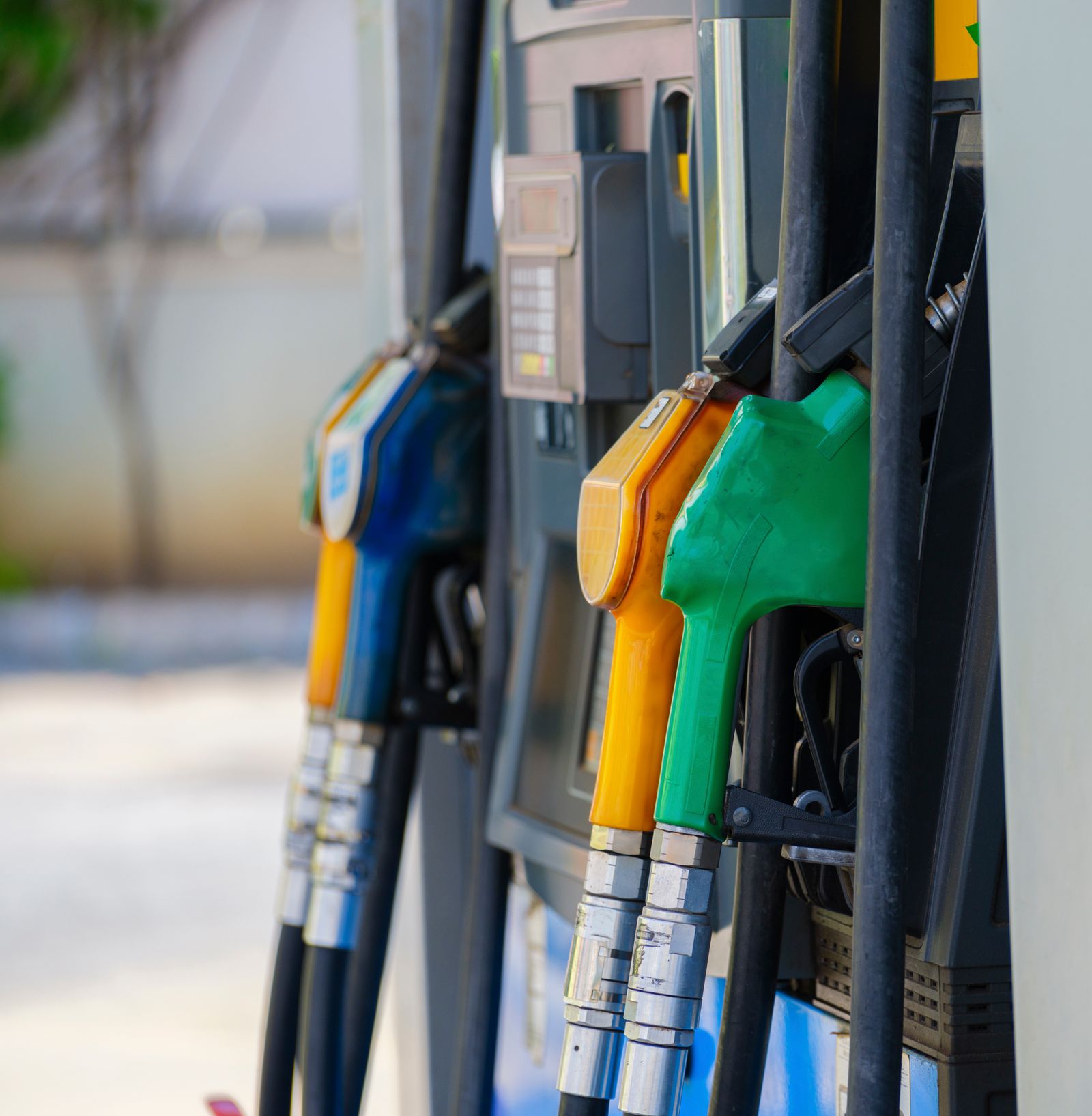
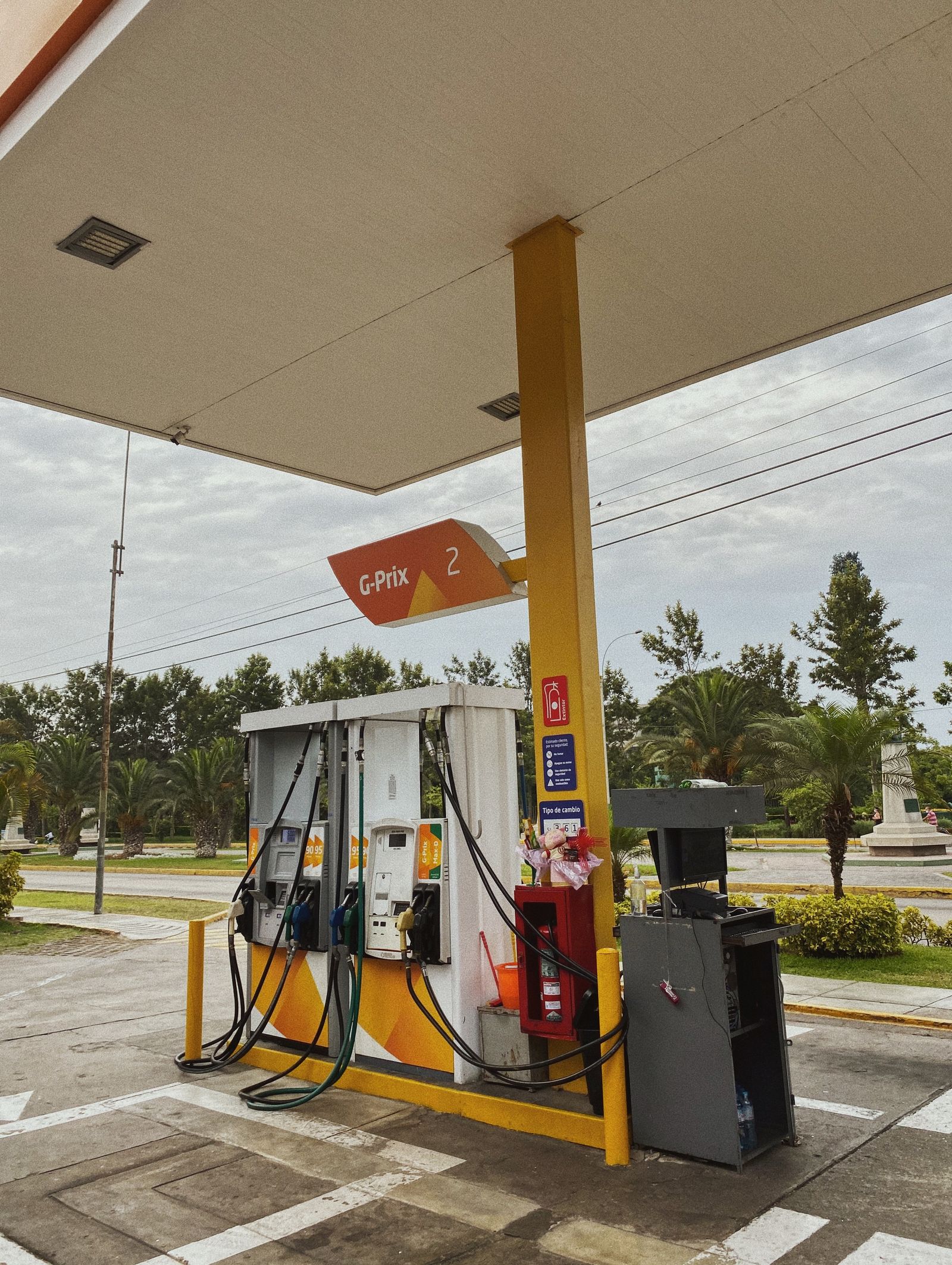
Modern service stations often place several fuel types side by side on the same bowser. Labels and handle colours vary between brands, so misreading them is easy, especially at night or in poor lighting.
Tip: read the word on the nozzle, not just the colour of the handle.
4. Habitual refuelling
Drivers who owned petrol cars for years may instinctively reach for the petrol nozzle, even after switching to a diesel. The reverse happens too when someone moves from a work ute to a petrol family car.
5. Unclear badging on vehicles
Some cars don’t clearly show whether they run on petrol or diesel, especially luxury or newer models where badges are subtle or missing. If you’re driving someone else’s car, ask.
6. Misunderstanding fuel types
Some drivers believe small amounts won’t matter, or that petrol and diesel are “similar enough”. They’re not. Even a couple of litres can cause problems, as we explain in why 1 or 2 litres still matters.
Fatigue is a bigger factor than most people think. The Transport Accident Commission’s guide to tired driving explains how quickly tiredness affects attention, and the same lapses that cause crashes cause misfuelling.
Who is most at risk?
| Situation | Why the risk goes up |
|---|---|
| Hire and rental cars | Unfamiliar vehicle, often on holiday |
| Fleet and work vehicles | Several drivers sharing different fuel types |
| Newly purchased cars | Old habits from the previous vehicle |
| Night-time refuelling | Poor light and tiredness |
| Busy family trips | Distraction at the pump |
How to stay alert
- Check the fuel type on the flap or in the owner’s manual.
- Pause before you squeeze the trigger and read the nozzle label.
- Add a small “DIESEL” or “PETROL” sticker near the filler if you share vehicles.
- If you’re unsure, ask the station staff before you fill.
See more practical steps in Preventing fuel contamination.
If it’s already happened
Don’t start the engine. Keep the car where it is and follow our immediate actions checklist. Understanding why wrong fuel incidents happen helps you stay alert, but if it does happen, acting quickly is what keeps the cost down.
Frequently asked questions
What is the most common type of misfuelling?
Petrol in a diesel vehicle. Petrol nozzles are smaller and fit easily into most diesel filler necks, while a diesel nozzle usually won’t fit a petrol car.
Are hire car drivers more likely to misfuel?
Yes. Driving an unfamiliar car breaks your normal refuelling habit, which is why hire cars, work vehicles and borrowed cars feature so often in wrong fuel call-outs.
What should I do if I’ve just done it?
Don’t start the engine or turn the ignition on. Follow our immediate actions checklist and arrange a professional fuel drain.