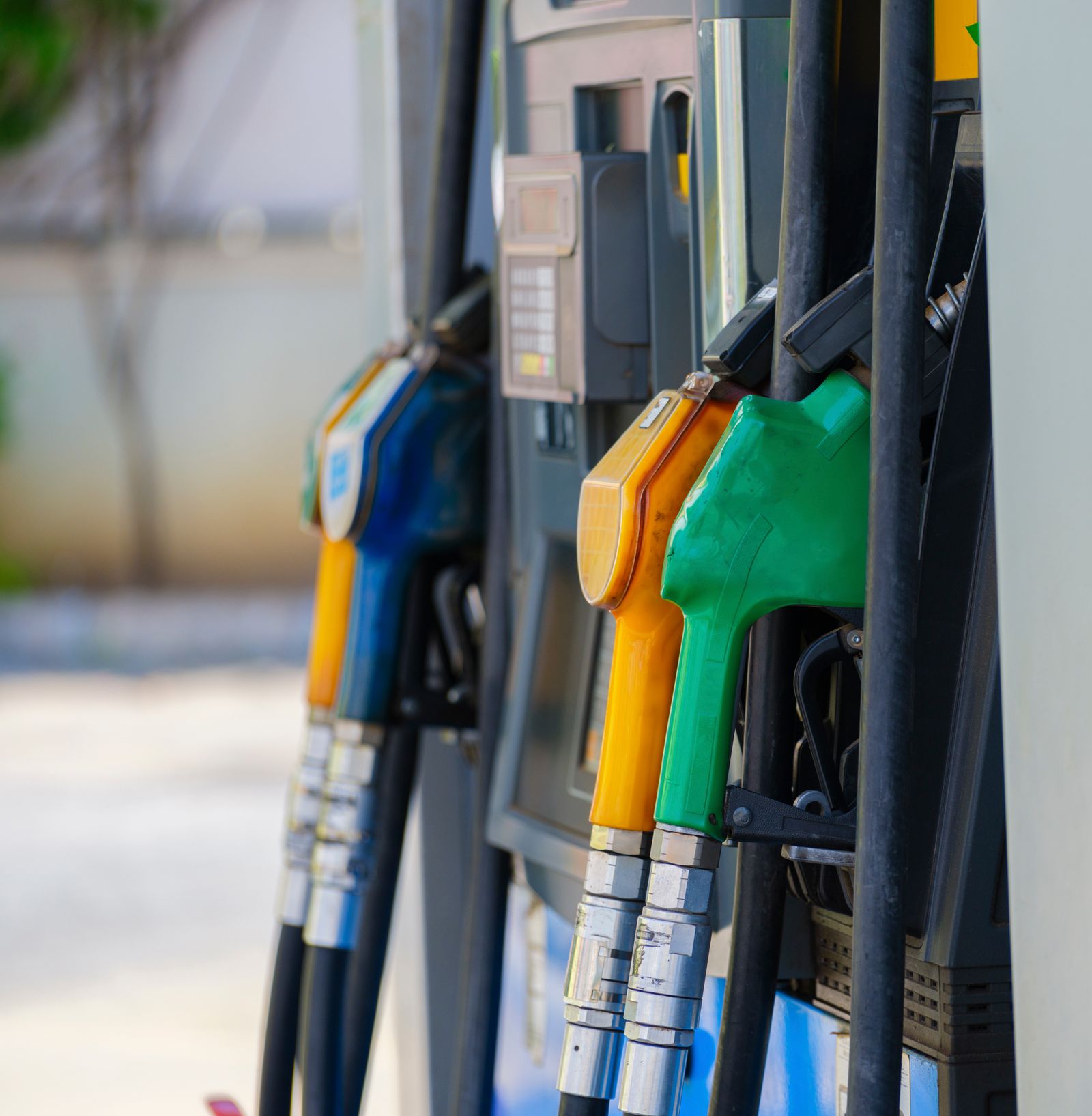
Quick answer: driving on the wrong fuel can damage the fuel pump, injectors, sensors and engine, and the problems don’t always show up straight away. A car that seems to run “okay” after misfuelling can develop faults weeks or months later. The safest approach is always the same: don’t start the vehicle, and get the fuel drained properly.
Why “it seems fine” isn’t the same as “no damage”
Many drivers notice their mistake only after they’ve pulled out of the servo. If the car keeps running, it’s tempting to assume the wrong fuel has diluted itself and no harm was done. Unfortunately, fuel system damage often begins the moment the engine starts, because the contaminated fuel is pushed through the pump, lines and injectors under pressure.
Modern engines are built to very fine tolerances. They don’t need much of the wrong fuel to start wearing, clogging or confusing the parts that keep them running smoothly.
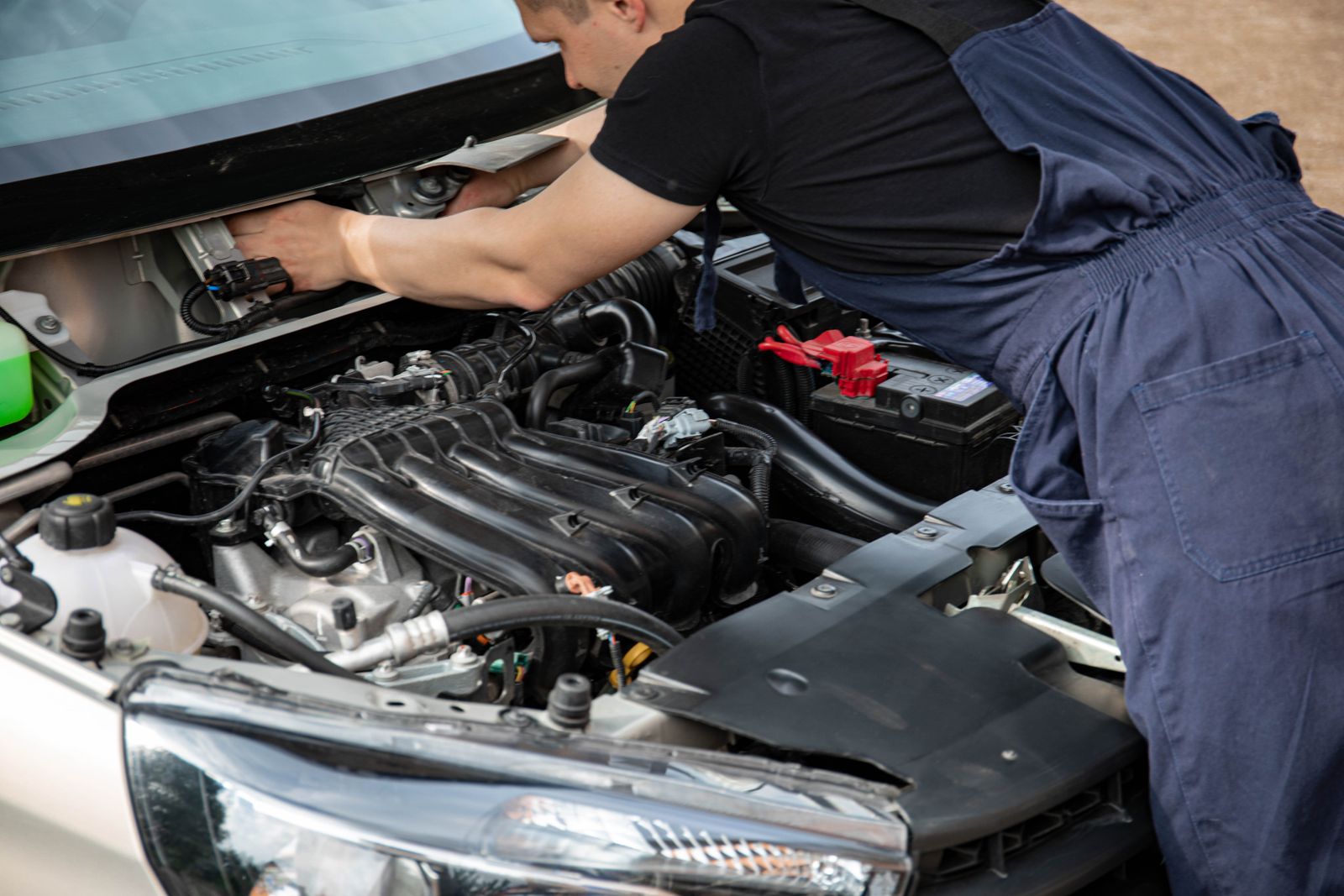
Long-term consequences of driving with the wrong fuel
1. Fuel pump wear or failure
Diesel fuel systems rely on the fuel itself for lubrication. Petrol strips that lubrication away, which leads to premature wear or complete failure of the high-pressure pump. Once a pump starts to wear, it can shed tiny metal particles into the rest of the system.
2. Injector damage
Injectors work at extremely high pressure and precision. Contaminated fuel, and any metal debris it carries, can clog, score or destroy them over time. Injector faults often show up as rough running, smoke or hard starting.
3. Misfires and poor performance
Incorrect combustion leads to rough idling, hesitation, loss of power and worse fuel economy. In a petrol car with diesel in it, spark plugs can foul. In a diesel with petrol in it, combustion happens at the wrong time, which puts stress on internal parts.
4. Carbon build-up and residue
Wrong fuel can leave deposits inside the combustion chamber, affecting valves, pistons and exhaust components. Build-up like this tends to get worse slowly, so it’s easy to miss.
5. Sensor and emissions system problems
Modern vehicles use sensors to manage fuel delivery and emissions. Contaminated fuel can cause ongoing fault codes, warning lights and problems with parts such as the catalytic converter or diesel particulate filter (DPF).
6. Complete engine failure (worst case)
If the warning signs are ignored, wrong fuel damage can escalate to catastrophic engine failure that needs a full replacement.
The delayed-damage problem
What makes wrong fuel damage particularly risky is that symptoms don’t always appear immediately. Problems can develop weeks or months later, by which time the link to a single tank of fuel is easy to forget and repairs are more complex and expensive.
| What you did | Likely outcome |
|---|---|
| Noticed at the pump, engine never started | Usually a straightforward drain and flush |
| Started the engine but didn’t drive | Drain plus flush of the lines, and possibly a filter change |
| Drove until the car ran poorly or stopped | Higher risk of pump, injector or engine damage |
| Kept driving and “topped up” with the right fuel | Hidden wear that may show up later |
Your owner’s manual and the label inside the fuel flap are the final word on what your engine needs. carsales has a good plain-English explainer on choosing the right fuel for your car.
What to do instead
- Do not start the vehicle if you realise at the pump.
- Do not try to “drive it out” or dilute the tank by topping up.
- Stop as soon as it’s safe if you’re already driving and notice symptoms.
- Get a professional fuel drain as soon as possible. See what to do after misfuelling.
Frequently asked questions
Can I just fill the rest of the tank with the correct fuel?
It’s not recommended. Diluting the wrong fuel doesn’t remove it, and modern fuel systems can be damaged by small amounts. A drain and flush is the safest option.
How long after misfuelling can damage appear?
Some symptoms show up within minutes, such as knocking, smoke or stalling. Others, like injector wear or sensor faults, can take weeks or months to appear.
Is diesel in a petrol car as bad as petrol in a diesel?
Both need attention. Petrol in a diesel is usually more damaging because it removes lubrication, but diesel in a petrol car still fouls plugs and filters. Read more in Understanding misfuelling.
Early action protects your engine, your wallet and your peace of mind.