Educating Australia on Vehicle Misfuelling and Fuel Contamination Risks
Consequences of Using the Wrong Fuel
Adding incorrect fuel can cause engine misfires, damage fuel system components, and lead to costly repairs. Petrol in a diesel engine or vice versa disrupts combustion and may result in vehicle breakdown.
Common Damages from Fuel Contamination
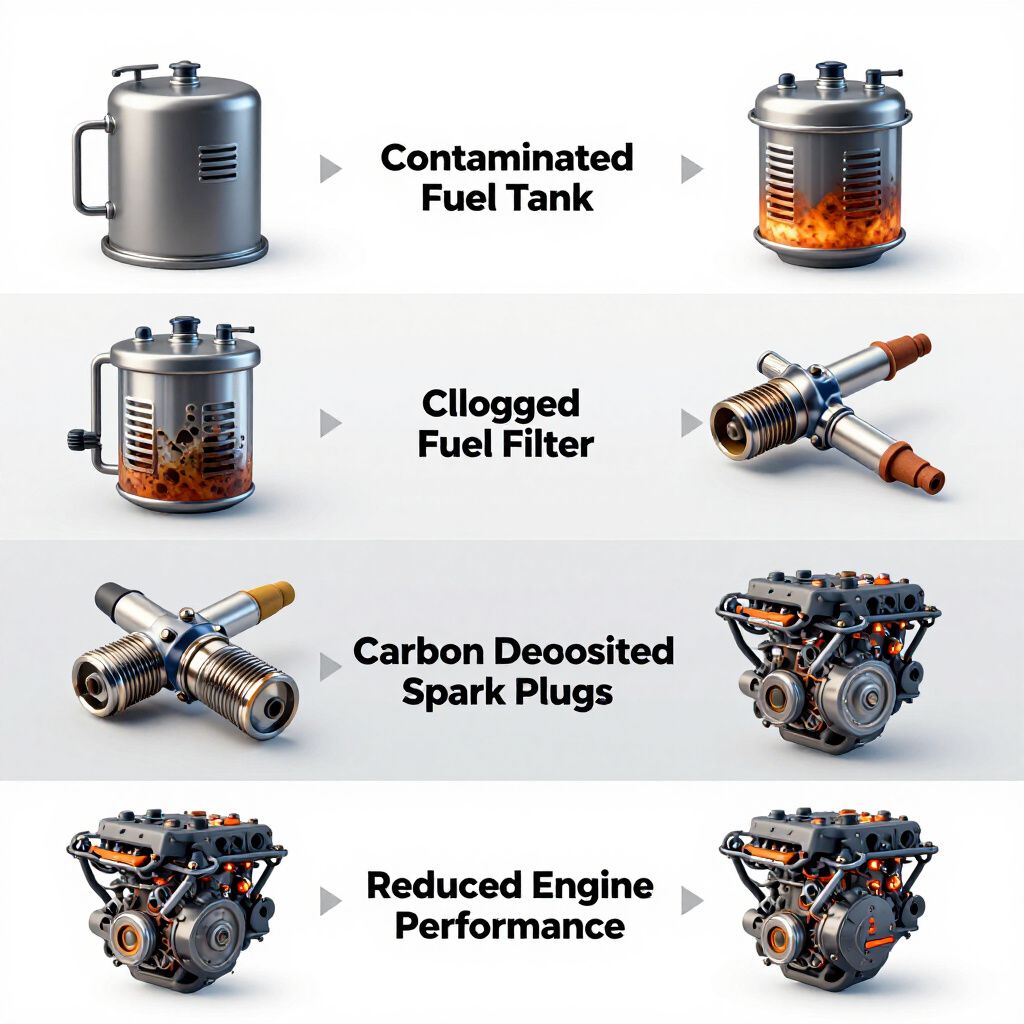
Fuel contamination can harm injectors, fuel pumps, and filters. It may cause corrosion, clogging, and reduced engine performance, increasing the risk of long-term mechanical failure.
Immediate Effects on Vehicle Operation
Vehicles may stall, lose power, or fail to start after misfuelling. Warning lights can activate, and unusual noises may occur, signaling internal damage or fuel system issues.
Why Prompt Action Matters
Early detection and stopping the engine can limit damage. Avoid driving the vehicle and seek professional advice to prevent further harm and reduce repair costs.
1
Immediate Steps After Misfuelling
If you realise you've added the wrong fuel, stop using the vehicle immediately to prevent further damage. Avoid starting or driving the car to limit fuel circulation in the engine.
2
Secure Your Vehicle Safely
Turn off the engine and move the vehicle to a safe location if possible. Inform others nearby to avoid accidental use and prevent potential hazards from fuel contamination.
3
Seek Professional Assistance
Contact a qualified mechanic or fuel contamination specialist to assess the situation. Do not attempt to drain or fix the issue yourself, as improper handling can worsen damage.
Types of Fuel Contamination
Fuel contamination occurs when foreign substances mix with vehicle fuel, affecting engine performance and safety. Common contaminants include water, dirt, and incorrect fuel types.
Identifying Contaminated Fuel
Signs of fuel contamination include engine misfires, unusual noises, reduced power, and difficulty starting. Visual checks may reveal discoloration or particles in the fuel.
Preventing Future Incidents
Use trusted fuel stations, verify fuel type before filling, and maintain regular vehicle inspections to reduce contamination risks. Awareness helps avoid costly damage and repairs.
Common Contaminants Explained
Water can enter fuel through condensation or leaks, dirt may come from storage tanks, and mixing petrol with diesel or vice versa causes severe engine issues.
Real Stories from Australian Drivers
Voices on Misfuelling Awareness
Hear firsthand accounts from drivers who faced wrong fuel incidents and learn why understanding these risks matters.

Mark Thompson
Delivery Driver, Sydney
Adding diesel to my petrol car caused serious engine trouble. Knowing what to do next saved me from bigger repairs.
Emily Nguyen
Fleet Manager, Melbourne

Awareness and quick action helped us avoid costly downtime after a misfuelling incident with one of our trucks.
Visual Insights into Wrong Fuel Incidents
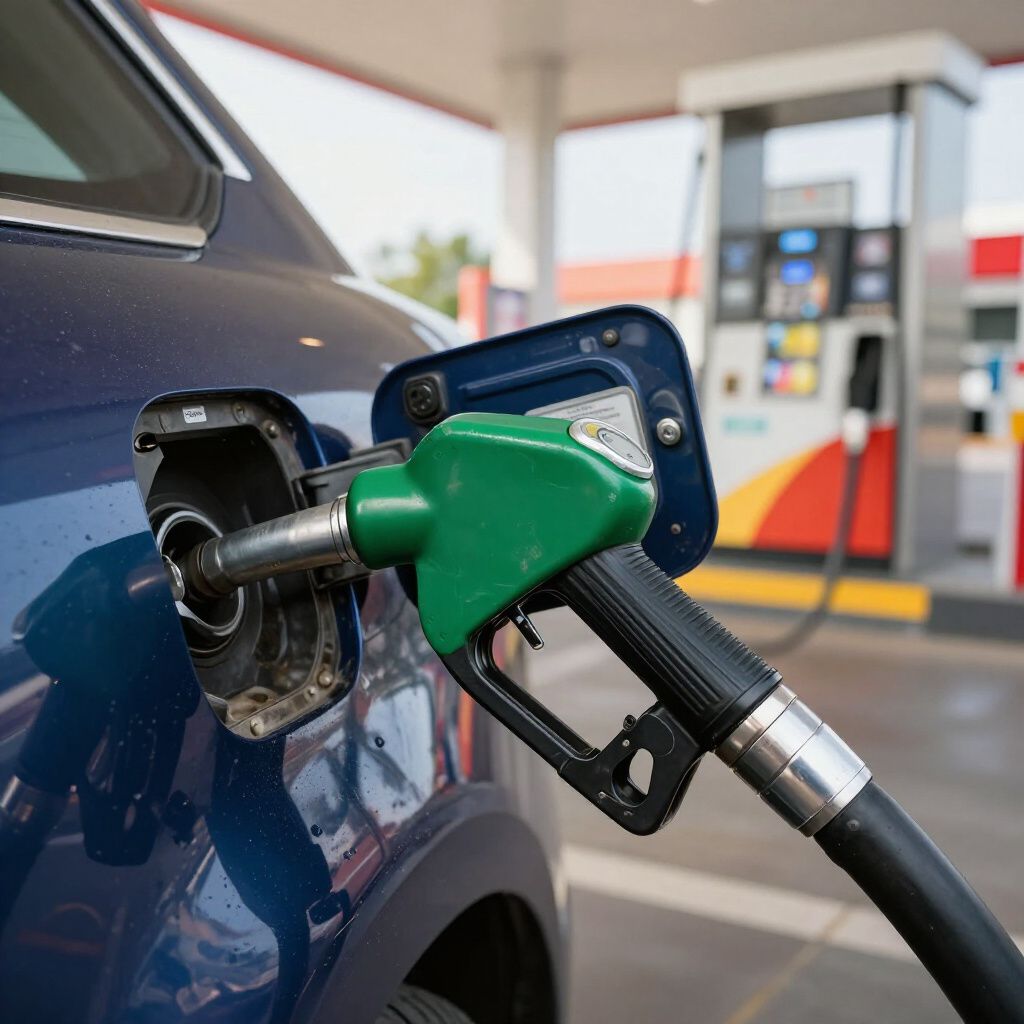
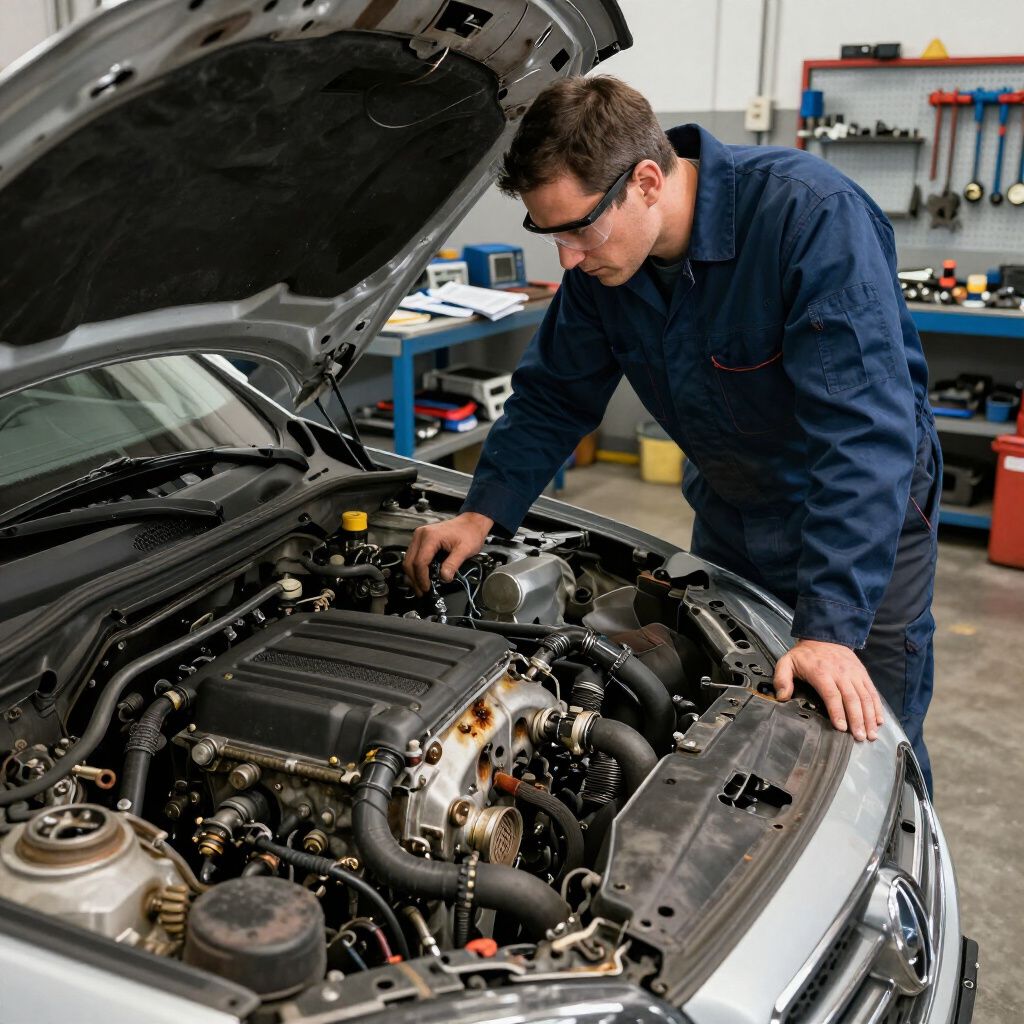
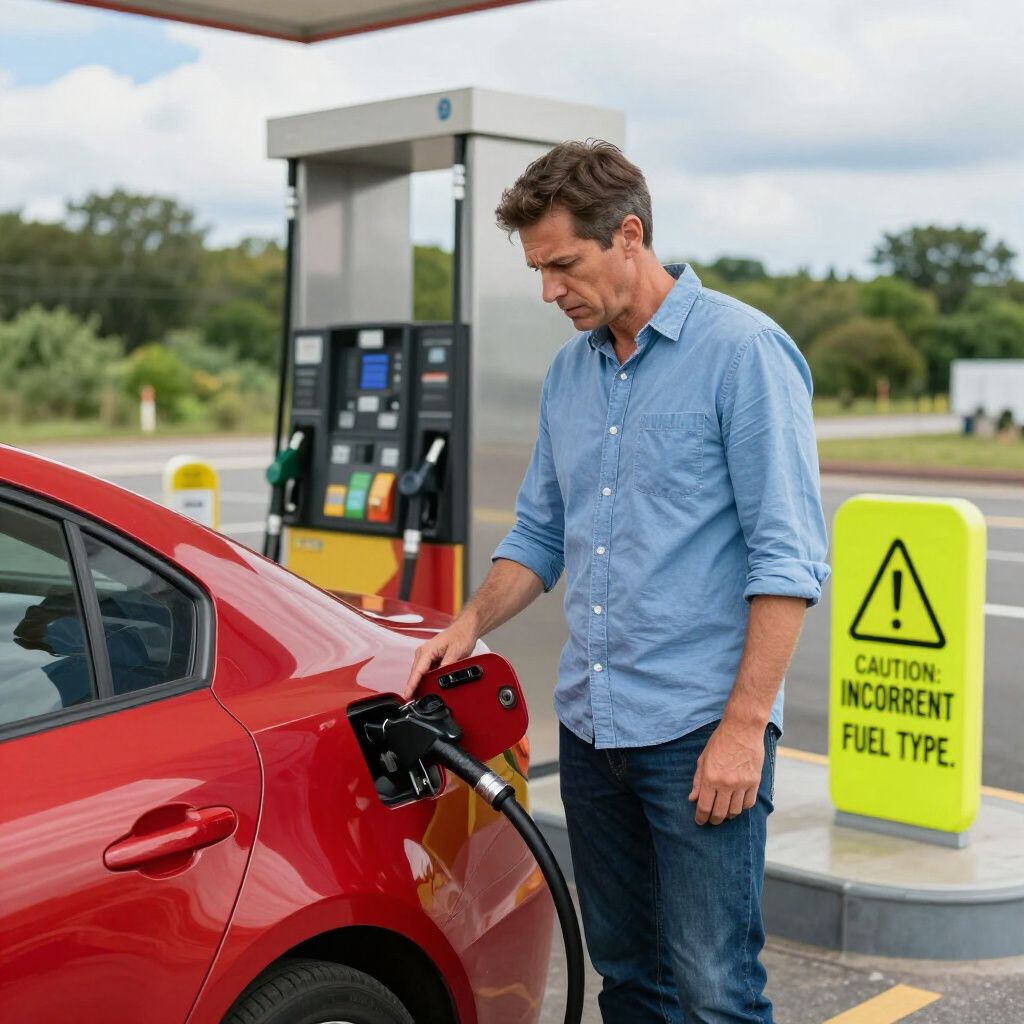
Images and infographics illustrating the causes and consequences of misfuelling
Common Questions on Wrong Fuel
What immediate steps should I take if I put the wrong fuel in my vehicle?
Stop using the vehicle immediately to prevent further damage. Avoid starting the engine if you haven’t already. Contact a professional for fuel system drainage and cleaning as soon as possible.
Can wrong fuel cause permanent damage to my car?
Yes, using incorrect fuel can damage the engine, fuel injectors, and catalytic converter. The extent depends on the fuel type and how long the vehicle was operated with the wrong fuel.
How can I identify if my fuel has been contaminated?
Signs include unusual engine noises, poor performance, stalling, or warning lights. Contaminated fuel may also have a different smell or appearance, but professional testing is recommended for confirmation.
Is it safe to drive after misfuelling before getting help?
It is not recommended to drive the vehicle after misfuelling as it can worsen damage. If the engine has not started, do not start it. If already running, stop as soon as safely possible and seek assistance.
Contact Us
We will get back to you as soon as possible.
Please try again later.
Contact Us
support@wrongfuel.info
Supporting Wrong Fuel Across Australia